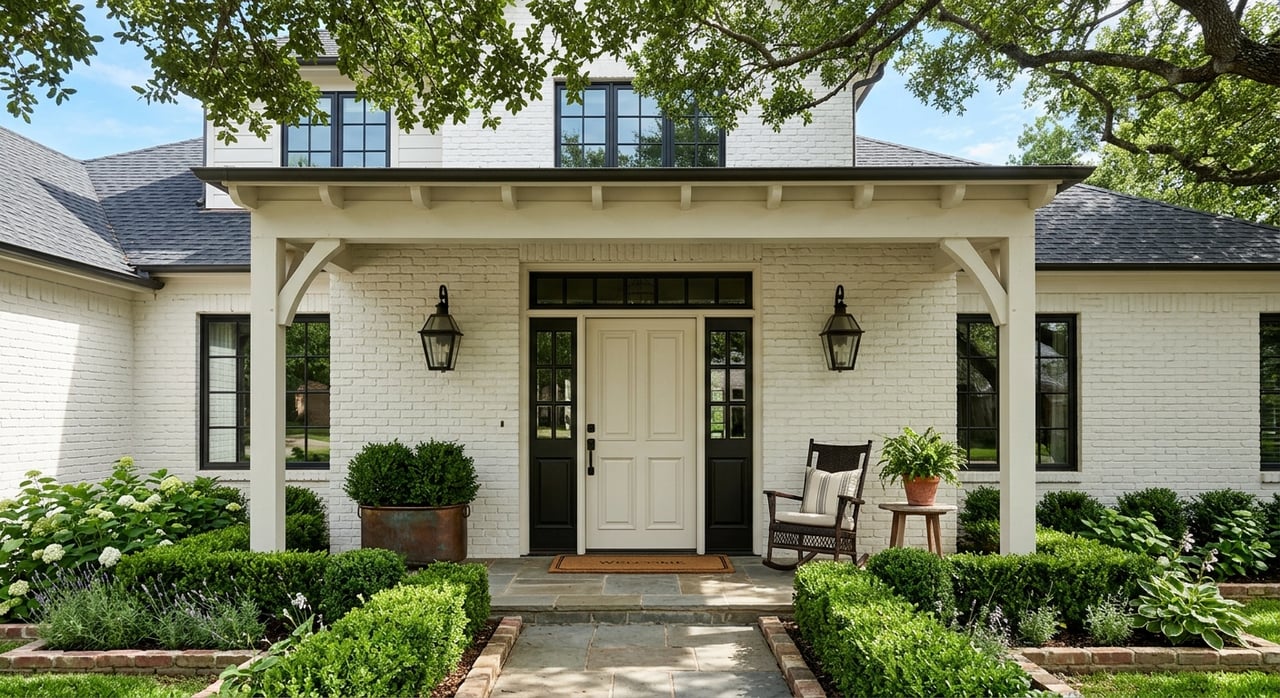
Thinking about moving to Bellaire from another Houston neighborhood? At first glance, it may seem like a simple short-distance move, but the day-to-day experience can feel very different once you live there. If you want to understand how Bellaire compares on commute patterns, housing options, city services, and daily routines, this guide will help you sort through the tradeoffs before you make your move. Let’s dive in.
Why Bellaire Feels Different
Bellaire is a compact city of about 3.5 square miles located roughly seven miles southwest of downtown Houston. City planning materials describe it as a residential “City of Homes” with close access to major employment centers like the Texas Medical Center, Rice University, Greenway Plaza, the Galleria/Uptown area, and Downtown Houston.
That close-in location is only part of the story. Bellaire also has a more municipality-specific feel than many nearby Houston neighborhoods because it operates its own police, fire and EMS, parks, library, utility billing, public works, development services, and capital planning systems. If you are relocating from a Houston neighborhood that relies more heavily on broader city systems, this can be one of the biggest day-to-day changes.
Expect a Small-City Structure
One of the first things many buyers notice is that Bellaire functions like its own city, not just a neighborhood with a different ZIP code. That affects everything from trash pickup and utility billing to permits and street maintenance.
For some households, that structure is a major advantage. It can create a more defined local rhythm and a stronger sense of how services are delivered. If you value knowing how your city systems work and having a clear municipal framework around daily life, Bellaire often stands out.
Commute Patterns Matter More Than You Think
Bellaire offers strong access to major job centers, but that does not mean commuting is always easy. The city identifies West Loop 610, Bellaire Boulevard, Bissonnet, South Rice, Chimney Rock, Renwick, Newcastle, and Fournace as important traffic corridors, with pass-through traffic being a regular reality.
The Loop 610 and U.S. 59 interchange just outside the city is also a major factor in regional congestion. So while Bellaire is close to many parts of Houston, it tends to feel more like a close-in urban area with real traffic pressure than a quiet outer suburb.
Key Commute Destinations
Bellaire planning documents specifically point to these common destinations:
- Downtown Houston
- Texas Medical Center
- Galleria area
- Greenway Plaza
If you work in one of these areas, Bellaire may offer a shorter geographic commute. Still, your actual drive time can vary a lot depending on the corridor, school traffic, and time of day.
Walking and Biking Are Part of the Conversation
Bellaire’s mobility planning also focuses on safer multi-modal travel. The city highlights pedestrian and bicycle improvements along corridors such as Bellaire Boulevard, South Rice, Chimney Rock, Bissonnet, and Evergreen.
That matters if you want a neighborhood where daily movement is not only about getting in the car. It also matters for households thinking about school routes, park access, and local errands.
Housing in Bellaire Is Not One-Note
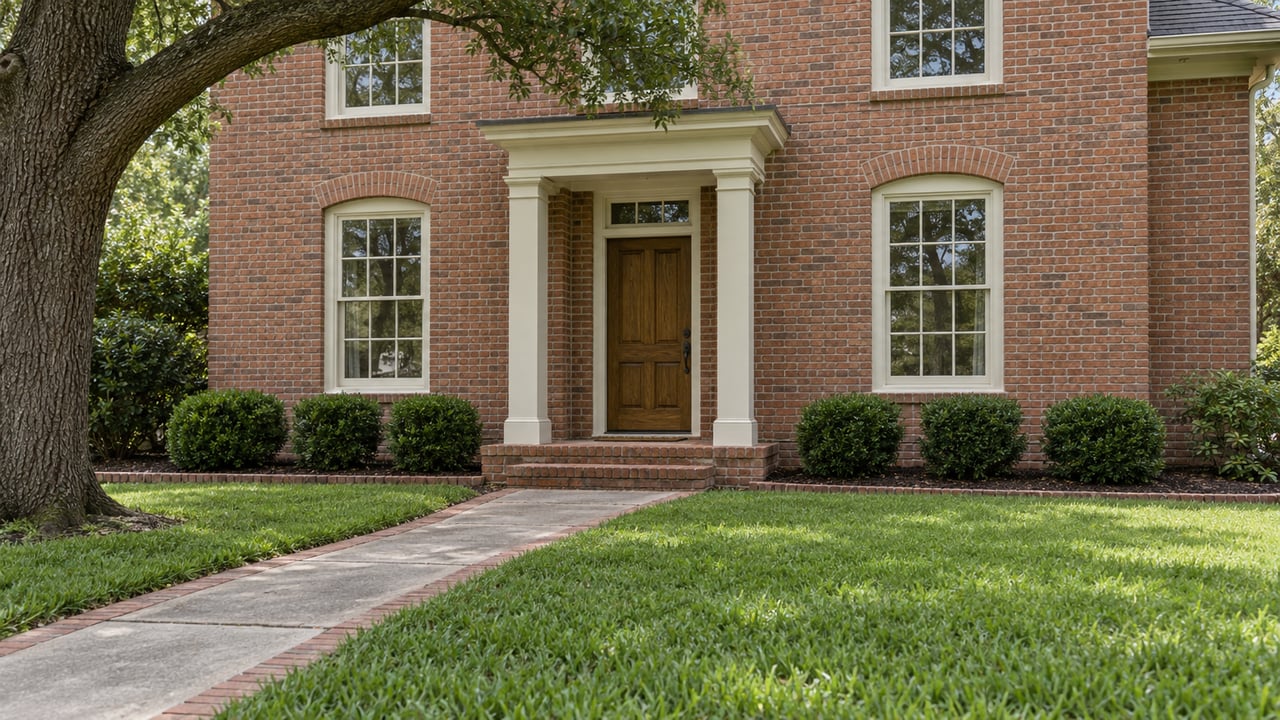
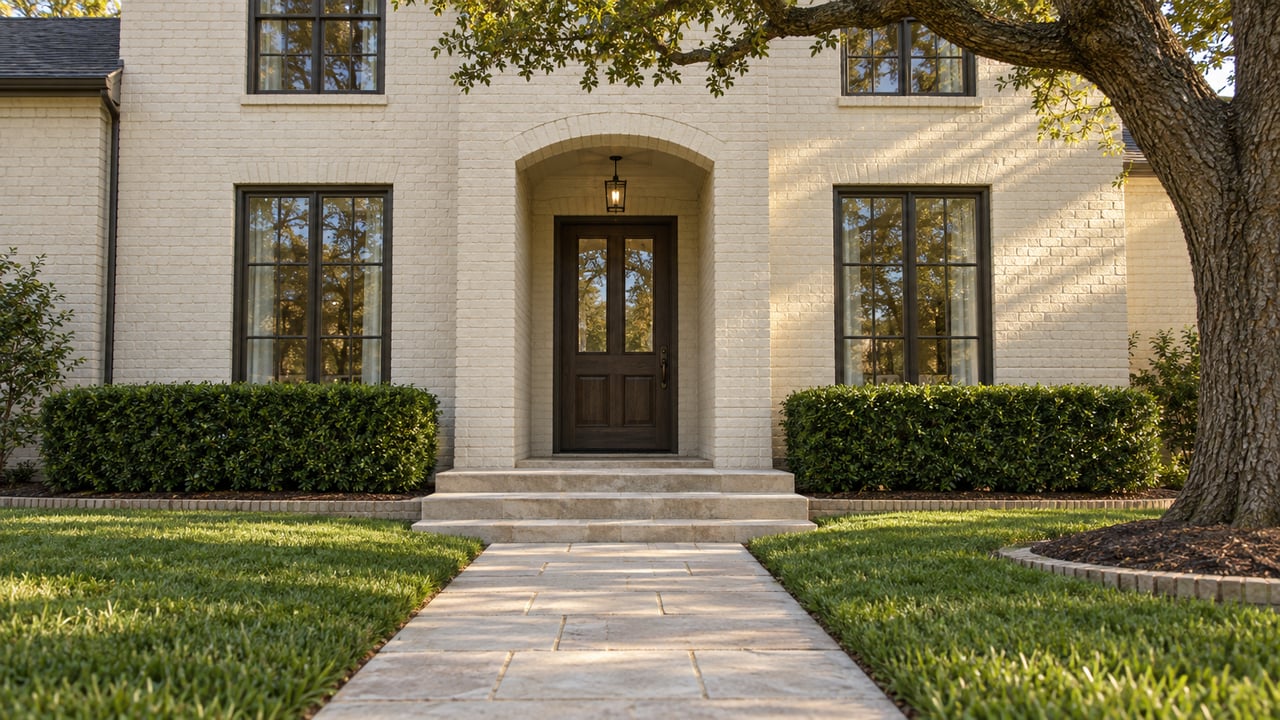
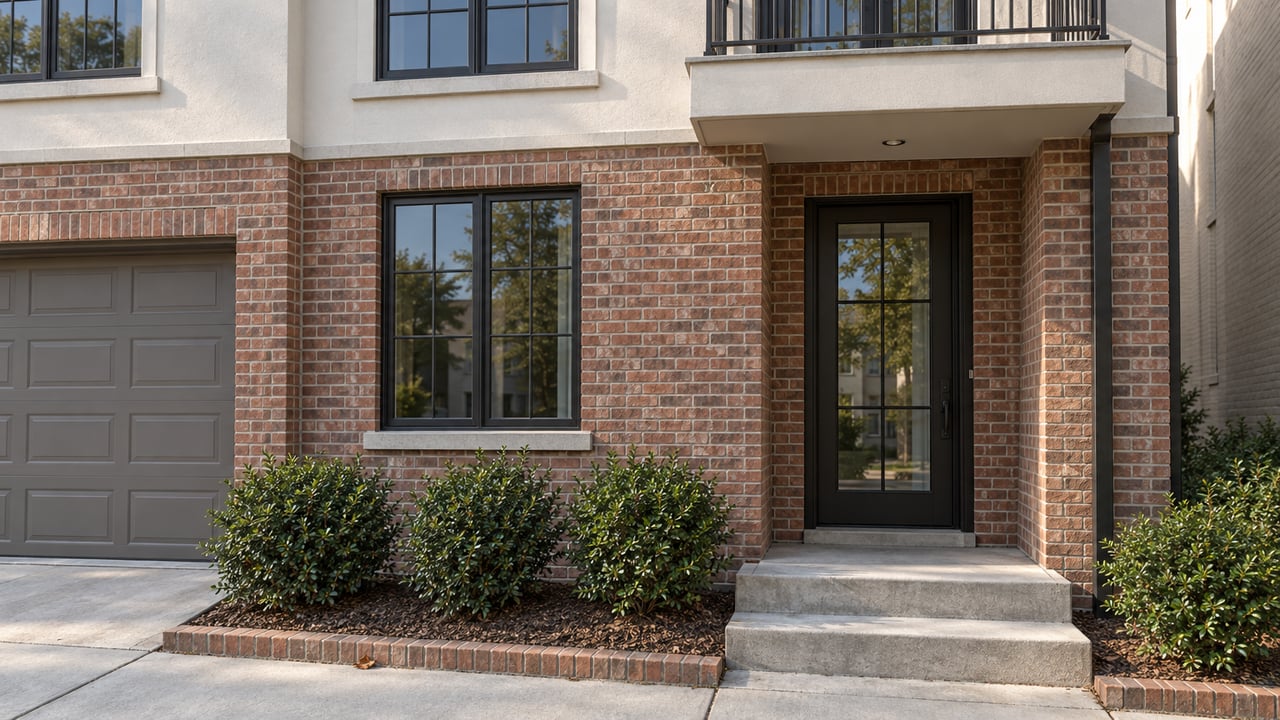
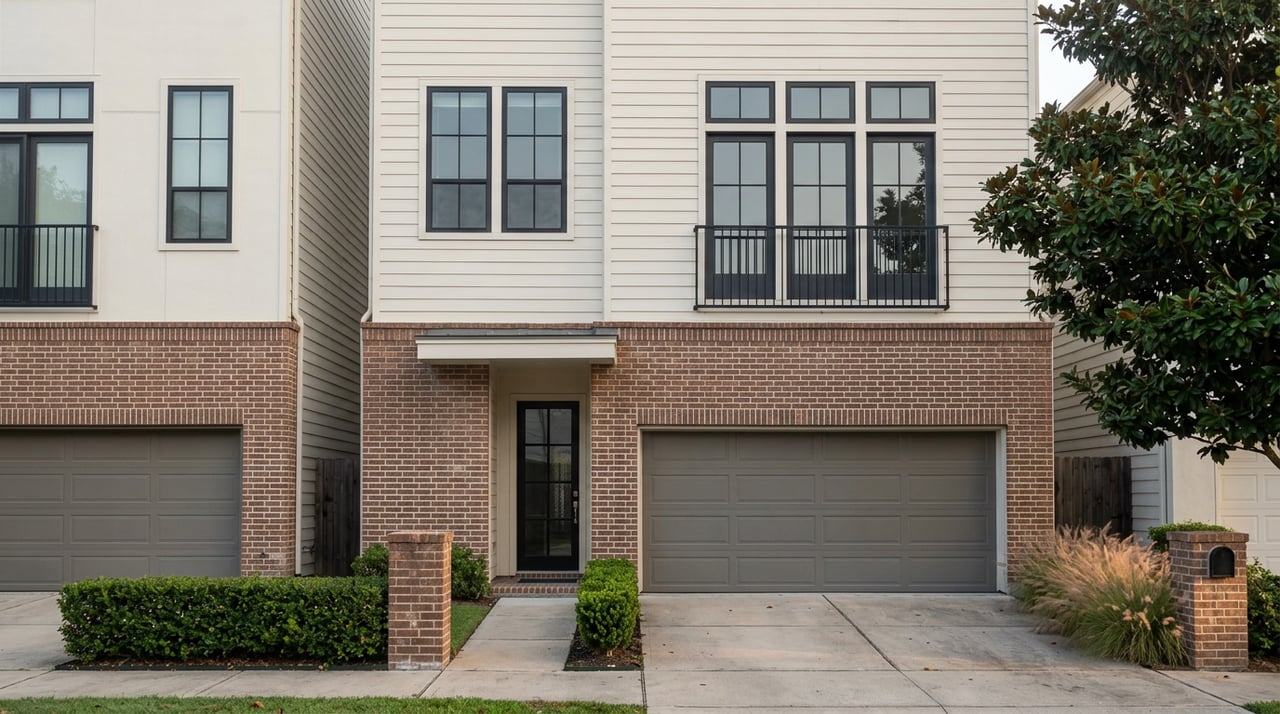
Bellaire has about 6,000 homes, and one of its defining traits is variety. You will see original 1950s and 1960s ranch homes alongside much newer and often much larger homes, sometimes on the same block.
If you are moving from another Houston neighborhood, this mix can be a big adjustment. Bellaire is not a place where every street has one uniform style. Instead, you will often find a blend of original homes, remodeled properties, teardown candidates, and newer construction.
Lot Sizes and Zoning Shape the Streetscape
Bellaire’s residential districts allow for different lot sizes and widths, which helps explain the range of home types across the city. Minimum lot areas range from 14,000 square feet in R-1 districts to 7,400 square feet in R-3 and 5,000 square feet in R-4 and R-5.
Minimum lot widths range from 80 feet in R-1 to 60 feet in R-3 and 50 feet in R-4 and R-5. Front setbacks also vary by district, and maximum building height is listed at 2.5 stories across standard residential districts. In practical terms, that helps support both older ranch-style homes and larger newer builds.
Remodels and Rebuilds Require Planning
If you are considering a home that needs work, Bellaire’s permit and code environment should be part of your search from the start. The city uses SmartGov as its official online portal for development services and permit submittals.
Bellaire also adopted the 2024 International Code Council codes and the 2023 National Electrical Code effective February 1, 2026. The city notes that builders are responsible for checking deed restrictions, so your plans may depend on more than the lot size alone.
Daily Life Comes With Strong Local Amenities
Bellaire’s amenities are a major reason many buyers consider the move. For a city its size, it offers a dense network of recreation, civic, and public-service resources.
Official city materials say Bellaire has 14 parks, while the parks service plan lists 15 parks and 121.3 acres of dedicated park land. The city also highlights two pool complexes, one dog park, one recreation center, one civic center, one senior center, five baseball and softball complexes, seven tennis courts, five youth soccer fields, and four walking trails.
Recreation Is Built Into the City
For many households, that local recreation system shapes daily life more than expected. The Recreation Center offers youth and adult activities, fitness-room access, open play basketball, and indoor pickleball.
The city also operates the Bellaire Town Square Family Aquatic Center and Evergreen Pool & Elaine Wood Therapy Pool. If your routine includes park time, fitness, sports, or summer pool use, these amenities can become a meaningful part of why Bellaire works.
Library and Civic Services Stay Close to Home
Bellaire also has a full-service library focused on materials, programs, and reference services for residents of all ages. That may sound like a small detail, but for many movers, nearby civic amenities help a city feel easier to settle into.
On the practical side, Public Works handles curbside solid-waste collection, recycling, brush pickup, heavy trash by appointment, water production and distribution, wastewater collection and treatment, and street sweeping. Utility billing is monthly, and payments are due on the second Friday of each month.
Public Safety and Local Service Access
Bellaire’s local-service setup is one of its strongest differentiators. The fire department provides 24-hour emergency medical service and maintains Advanced Life Support ambulance status.
The police department also offers service pages for crime maps, house watch, neighborhood watch, fingerprinting, animal control, and alarm systems. If you are relocating from a nearby Houston neighborhood, this concentration of city-run services can feel more hands-on and easier to navigate.
Schools and Block-Level Logistics
If schools are part of your move, Bellaire’s daily traffic patterns deserve just as much attention as the campus list. Bellaire High School is a Houston ISD campus located in Bellaire and describes itself as a fully accredited IB World School since 1979, with AP courses, more than nine languages, a world-languages magnet program, dual credit, and career and technical education pathways.
Horn Elementary is a neighborhood school in Bellaire, and its current school page describes a stable neighborhood campus with about 750 students in the 2024-25 year. These are important points of reference for many buyers, but your day-to-day experience will also depend on how your block handles drop-off, pick-up, and through traffic.
Think Beyond the School Name
Bellaire’s mobility plan specifically connects schools to everyday traffic and safety planning. It calls out school-area safety, peak drop-off and pick-up traffic, and the need to coordinate access, parking, and circulation.
That means when you are comparing homes, it helps to think about more than the school assignment alone. You may also want to consider walkability, nearby cut-through traffic, and how the morning and afternoon rhythm of the street fits your routine.
Taxes, Costs, and Ownership Planning
When you compare Bellaire to another Houston neighborhood, ownership costs can shift in ways that are easy to overlook. Bellaire’s FY2026 city property tax rate was approved at $0.4174 per $100 valuation.
That is only one piece of your overall housing cost picture, but it is still an important line item to review as you narrow down homes. If you are weighing an older home, a remodeled home, or new construction, the tax impact and future improvement plans should be part of the conversation early.
Who Bellaire Fits Best
Bellaire often appeals to buyers who want close-in access with a more defined local city structure. It can be a strong fit if you want nearby employment centers, a wide range of housing styles, and city-run amenities that are woven into everyday life.
It may also suit you if you are comfortable with the tradeoff that comes with many close-in locations: strong convenience paired with real traffic pressure on major corridors. In that sense, Bellaire is best understood as a compact, service-rich enclave rather than a generic suburb.
How to Evaluate a Bellaire Move
If you are relocating from another Houston neighborhood, focus on the practical comparison points that affect your routine most:
- Commute routes, not just commute distance
- Lot size and redevelopment potential
- Block-by-block housing mix
- City services and utility setup
- Park and recreation access
- School-area traffic patterns
- Permit considerations for future improvements
A short move across Houston can still mean a major lifestyle change. The right Bellaire home is not just about the house itself. It is also about how the city’s structure, services, and traffic patterns fit the way you live.
If you want help comparing Bellaire to your current neighborhood, evaluating lot potential, or narrowing down the right block and home style, Anisa Hoxha Realty Group offers local, data-informed guidance to help you move with clarity.
FAQs
What makes Bellaire different from other Houston neighborhoods?
- Bellaire operates as its own city with local police, fire and EMS, parks, library, utility billing, public works, and development services, which can make daily life feel more municipality-specific than in many nearby Houston neighborhoods.
What should you know about commuting from Bellaire?
- Bellaire offers close access to Downtown Houston, the Texas Medical Center, the Galleria area, and Greenway Plaza, but major corridors like Loop 610, Bellaire Boulevard, Bissonnet, and South Rice can experience significant traffic pressure.
What types of homes are common in Bellaire?
- Bellaire includes a mix of 1950s and 1960s ranch homes, remodeled properties, teardown opportunities, and newer large homes, with visible variation from block to block.
What should buyers know about remodeling or rebuilding in Bellaire?
- Buyers should understand that Bellaire uses an official permit portal for development services, follows adopted building and electrical codes, and notes that deed restrictions must also be checked when planning improvements.
What local amenities does Bellaire offer residents?
- Bellaire highlights a dense local amenity network that includes 14 to 15 parks depending on classification, park land, pool complexes, a dog park, a recreation center, a civic center, a senior center, sports facilities, walking trails, and a full-service library.
What school-related factors matter when moving to Bellaire?
- In Bellaire, school choice should be considered alongside practical issues like block traffic, walkability, parking, and peak drop-off and pick-up patterns because those factors can shape your daily routine as much as the campus itself.