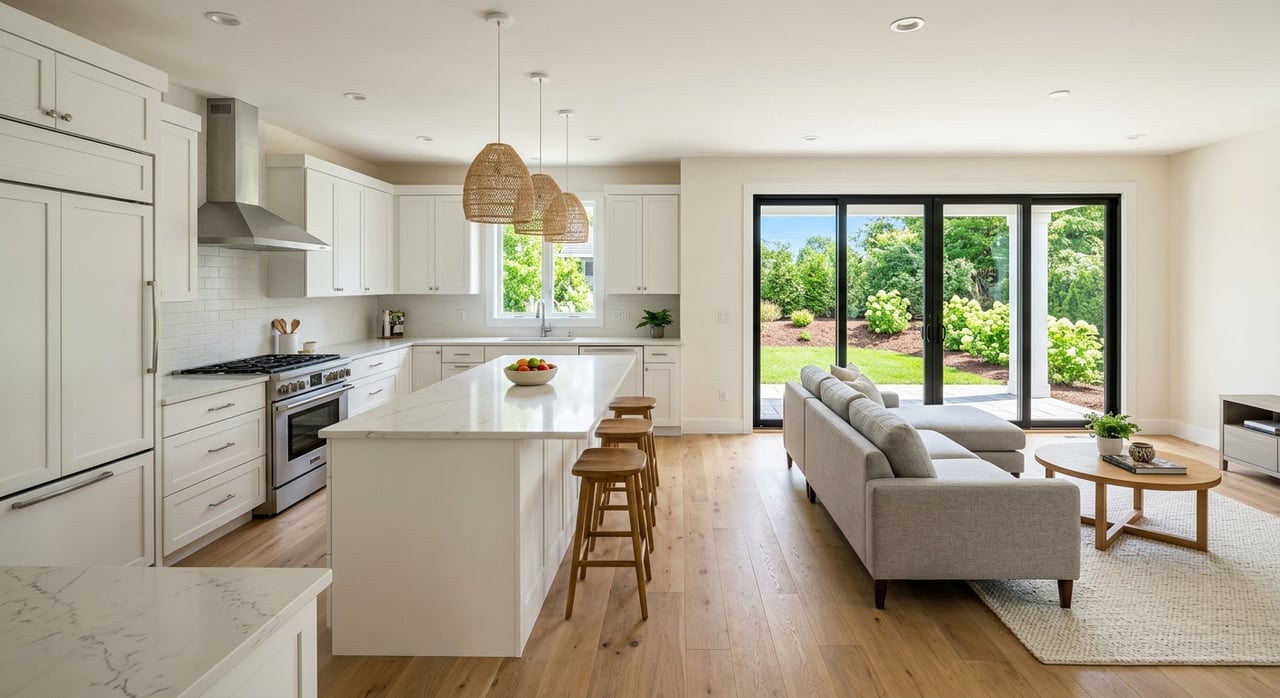
If you think listing a rental property in Houston is as simple as snapping a few photos and naming a price, today’s market says otherwise. With renters comparing more options and lease timelines stretching longer in some cases, you need a plan that is clear, polished, and legally sound. This checklist will help you prepare, price, market, and screen your Houston rental with more confidence so you can avoid costly missteps and launch strong. Let’s dive in.
Start With Houston Market Reality
Before you list, it helps to understand what kind of market you are stepping into. In HAR’s February 2026 rental update, 3,910 single-family homes were leased in Houston, the average lease price was $2,230, and average days on market rose to 50.
That does not mean every rental should be priced at the metro average. It means you should look closely at your exact property type, condition, and submarket before setting expectations. The same report also shows why single-family rental data should not be mixed with apartment data when you are deciding what to ask.
For added context, HUD’s Q1 2025 regional report placed apartment vacancy in Houston-Pasadena-The Woodlands at 9.1% with average rent at $1,380, which reinforces the same point: broad averages can be useful background, but they are not a pricing strategy for your individual property. In practical terms, you should plan for a real marketing window instead of assuming your property will lease immediately.
Build Your Listing Checklist First
A strong listing starts before the property ever appears online. In Houston’s current rental environment, presentation and accuracy matter because renters can compare homes quickly and skip the ones that feel incomplete or overpriced.
Use this checklist as your pre-launch workflow:
- Review current comparable rentals for your property type and area
- Decide on a realistic asking rent
- Complete cleaning and basic make-ready items
- Confirm all major systems and fixtures are functioning
- Gather property details and lease terms
- Prepare high-quality photos and, if available, added media
- Create one complete, accurate listing for broad distribution
- Set up a consistent screening process with written criteria
- Double-check Texas and Houston-specific compliance items
Price Your Rental With Current Comps
Pricing is one of the biggest decisions you will make. If you price too high, you may sit on the market longer while renters choose nearby alternatives. If you price too low, you could leave income on the table.
The most practical approach is to use recent comparable rentals for the same property type in the same part of Houston. A single-family home in one submarket should not be priced based on apartment averages or on listings that are not truly comparable in size, condition, or location.
This is where local market knowledge matters. A data-driven pricing strategy can help you balance visibility, showing activity, and lease value from day one.
Finish Make-Ready Before Marketing
Renters notice condition right away, especially online. According to Zillow’s rental listing photography guidance, the property should be clean, tidy, and easy to photograph before the listing goes live.
That means handling the basics first. If something looks unfinished in person, it will usually look worse in photos.
Make-Ready Essentials
Before photos or showings, make sure you have:
- Cleaned each room thoroughly
- Removed clutter and personal items
- Opened blinds and turned on lights
- Addressed visible minor repairs
- Confirmed kitchens, bathrooms, and living spaces show well
- Prepared a move-in and move-out walkthrough checklist to document condition
Documenting condition is not just good organization. It can also help create a cleaner record at move-in and move-out.
Invest In Strong Listing Media
Photos are not optional marketing extras. They are part of how renters decide whether your property is worth a showing.
Zillow recommends using natural light, turning on lights, and taking enough images to tell the full story of the home. Their guidance also recommends at least 10 to 15 high-quality photos, with coverage of every room, especially the kitchen, bedrooms, living room, and bathrooms.
What Your Media Package Should Include
At minimum, your listing should feature:
- High-quality photos of every major room
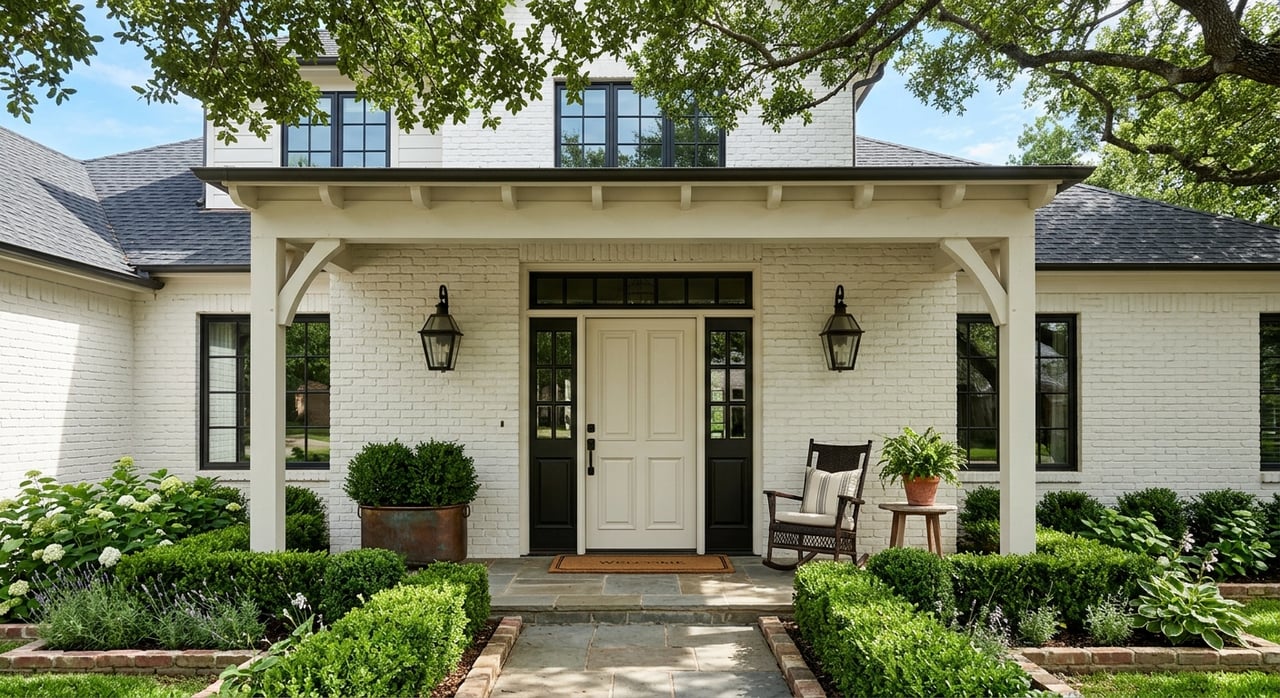
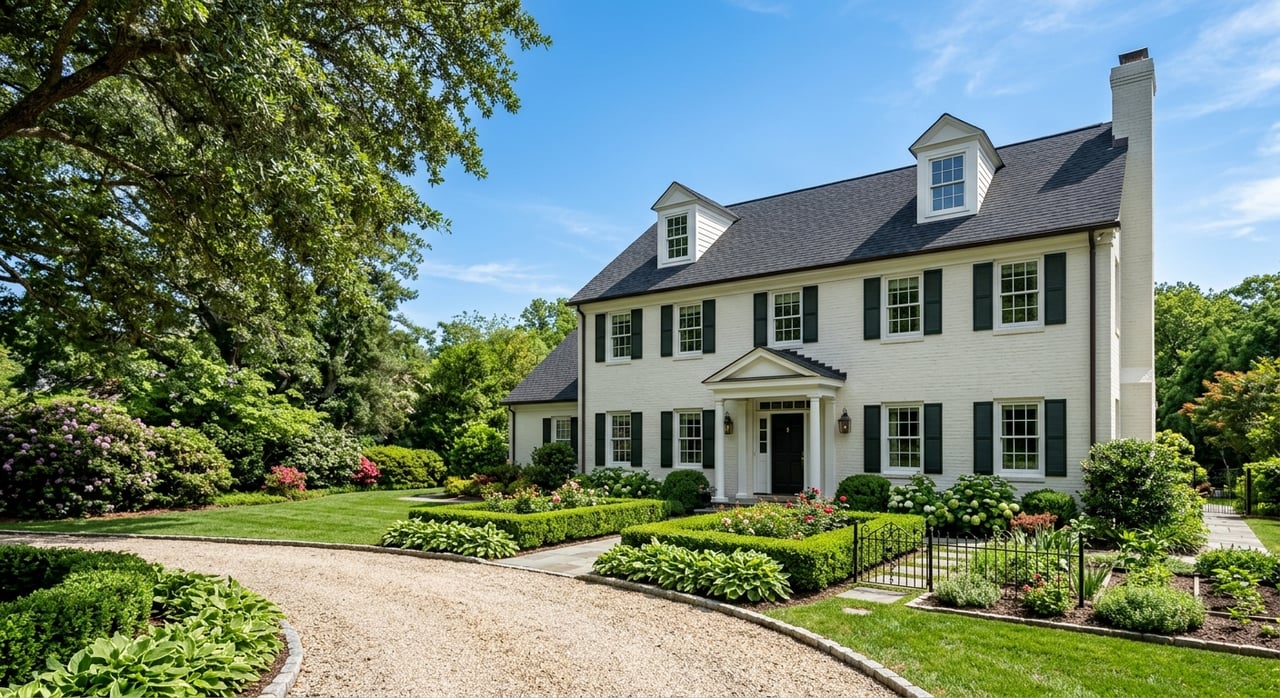
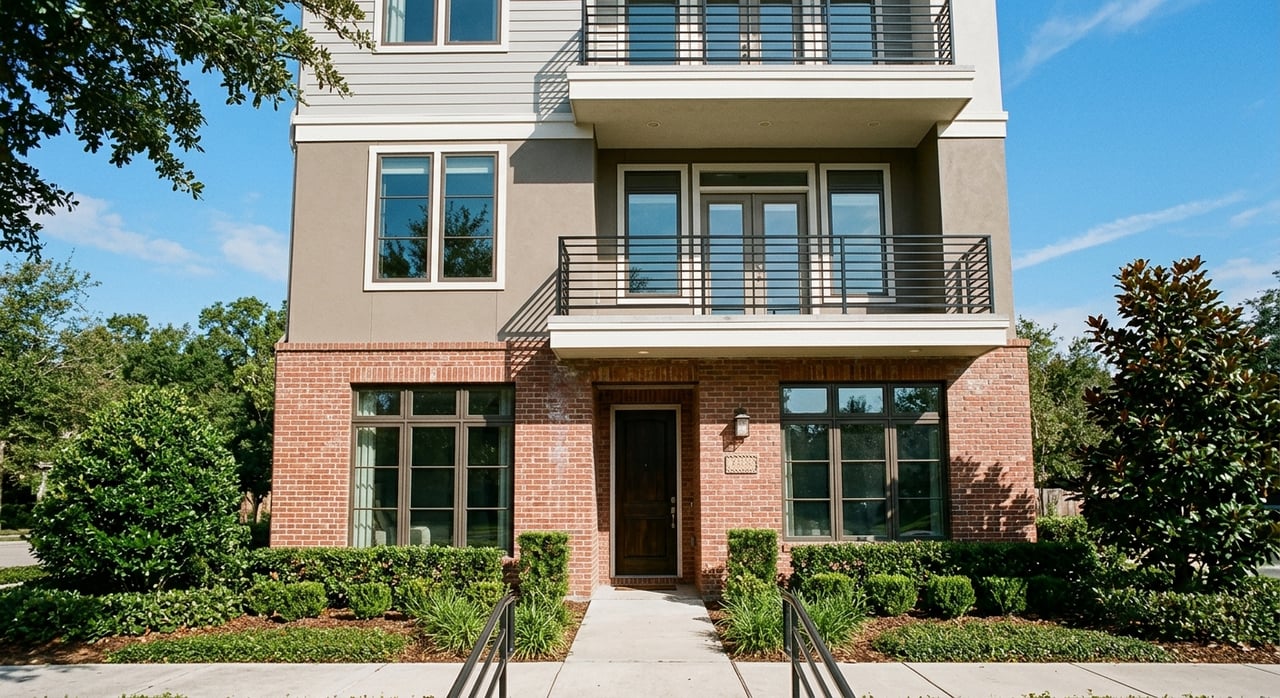
- Exterior shots that show curb appeal clearly
- Bright, well-lit images with blinds open and lights on
- A layout that helps renters understand flow from room to room
If available, enhanced media can strengthen the listing even more. Zillow also notes that 3D tours can help renters decide whether to schedule a showing, and Zillow’s media guidance highlights the value of floor plans, videos, and 3D tours for rental marketing.
Publish One Accurate Listing
A fragmented marketing approach can create confusion. Instead of posting mismatched versions of the same property in different places, it is smarter to create one accurate, complete listing and distribute it broadly.
For Houston rentals, HAR remains a key local hub for rental search. The practical takeaway from the research is that your listing should combine strong local exposure with broader syndication so renters can find the same complete information wherever they search.
Include These Listing Details
Make sure your listing clearly states:
- Monthly rent
- Property type
- Number of bedrooms and bathrooms
- Square footage, if available
- Lease term
- Deposit details
- Pet-related terms, if applicable and lawful
- Move-in availability
- Key home features and updates
Accuracy matters here. Consistent information helps renters compare options and reduces avoidable questions later in the process.
Prepare A Clear Screening Process
Screening should be organized before applications start coming in. Texas law requires landlords to make written tenant selection criteria available when the rental application is provided.
According to the Texas Property Code, that notice must address reasons an application may be denied, including criminal history, prior rental history, current income, credit history, and inaccurate or incomplete application information. The applicant signs an acknowledgment, and if the notice was not made available and the applicant is rejected, the landlord must return the application fee and any application deposit.
Screening Checklist
Before accepting applications, prepare:
- Written tenant selection criteria
- A consistent application process
- Clear documentation procedures
- A plan for applying the same standards consistently
Consistency is essential. It helps you stay organized, communicate clearly, and reduce compliance risk.
Follow Fair Housing Rules In Ads And Screening
Fair housing compliance should be part of your checklist from the start, not an afterthought. HUD states that the Fair Housing Act protects renters from discrimination based on race, color, religion, sex, familial status, national origin, and disability.
That affects both your marketing language and your screening process. Keep ads factual, property-focused, and neutral. Apply your written criteria consistently to every applicant.
The research also notes that occupancy standards should generally allow at least two people per bedroom absent a local code, and assistance animals are not pets and should not be treated like pets for deposit or breed or size rules. When in doubt, clear documentation and consistent standards matter.
Understand Deposits And Late Fee Rules
Financial terms should be documented carefully in your lease process. This is one area where casual handling can create avoidable problems.
Under Texas law, security deposits generally must be refunded within 30 days after the tenant surrenders the premises. If any portion is retained, the landlord should provide the balance plus a written itemized list of deductions, and deductions apply to damages or charges the tenant is legally liable for, not normal wear and tear.
Late fees also have specific rules. Under Texas Property Code Section 92.019, a late fee must be included in the written lease, must be reasonable, and cannot be charged until rent remains unpaid for two full days after the due date.
Check Houston-Specific Registration Rules
Houston-specific requirements depend on the type of rental property and how it will be offered. That is why it helps to separate city-specific rules from general Texas landlord rules.
According to the City of Houston permitting guidance, apartment communities with three or more units must register for habitability inspection purposes. Single-family residences do not require that registration.
If the property will be offered for fewer than 30 consecutive days, a separate short-term rental ordinance may apply with its own registration requirements. That makes it important to confirm whether your leasing plan falls under standard long-term rental activity or a different category.
Use A Repeatable Listing Workflow
The easiest way to reduce mistakes is to treat rental listing prep like a repeatable system. In Houston, that means pricing from current comps, finishing make-ready work, launching with strong media, distributing one accurate listing widely, and screening applicants with written criteria.
For many owners and investors, this is where professional guidance adds value. A well-managed rollout can help you avoid delays, improve presentation, and bring more structure to the leasing process from the start.
If you are getting ready to lease out a Houston property and want a local, data-informed strategy, connect with Anisa Hoxha Realty Group for professional guidance on rental placement and leasing.
FAQs
What rent should you ask for a rental property in Houston?
- Use current comparable rentals for the same property type and submarket, because Houston single-family and apartment averages are not interchangeable according to HAR rental data.
What should be done before taking photos of a Houston rental?
- Clean and tidy the property, open blinds, turn on lights, address visible issues, and make sure the home is ready to photograph clearly, based on Zillow’s rental photography guidance.
How many photos should a rental listing include?
- Zillow recommends at least 10 to 15 high-quality images that cover every room, especially the kitchen, bedrooms, living room, and bathrooms.
What screening information must Texas landlords provide with a rental application?
- Texas landlords must make written tenant selection criteria available when the application is provided, including possible denial reasons such as income, credit, criminal history, rental history, and incomplete or inaccurate information.
Does a Houston rental property need city registration?
- It depends on the property type and lease term. Apartment communities with three or more units must register for habitability inspection purposes, while single-family residences do not need that registration, and short-term rentals may fall under separate city rules.
When can a landlord charge a late fee in Texas?
- A late fee must be in the written lease, must be reasonable, and cannot be charged until rent is unpaid for two full days after the due date under Texas law.