Torn between a sky-high view and a low-key building near The Galleria? If you want a walkable, lock-and-leave condo in 77056, the right choice comes down to service level, monthly costs, and how you like to live day to day. You also want confidence about insurance, financing, and long-term building health before you buy. In this guide, you’ll learn the clear differences between high-rise and mid-rise living, what fees typically cover, and a simple due-diligence checklist tailored to the Galleria area. Let’s dive in.
High-rise vs. mid-rise in 77056
The Galleria and Uptown core offer a mix of full-service high-rises, large mid-rise communities, and boutique condo buildings. Many addresses score well for daily errands and dining within a short walk, which is a key draw for professionals and downsizers who travel often. Public market trackers have recently shown a median listing price near $450,000 for 77056, but prices vary by property type, building, and unit size. For exact condo comps, review current MLS data before you make a move.
Definitions that matter
In everyday real estate use, mid-rise typically means about 4 to 12 stories and high-rise often means 10 to 12 stories or taller. Code thresholds vary by market, so it helps to think in terms of building height plus service level. If you want a deeper primer on how the industry labels building types, review this clear dictionary entry on building height terms from a REALTOR association resource. See the building term guide.
Amenities and daily life differences
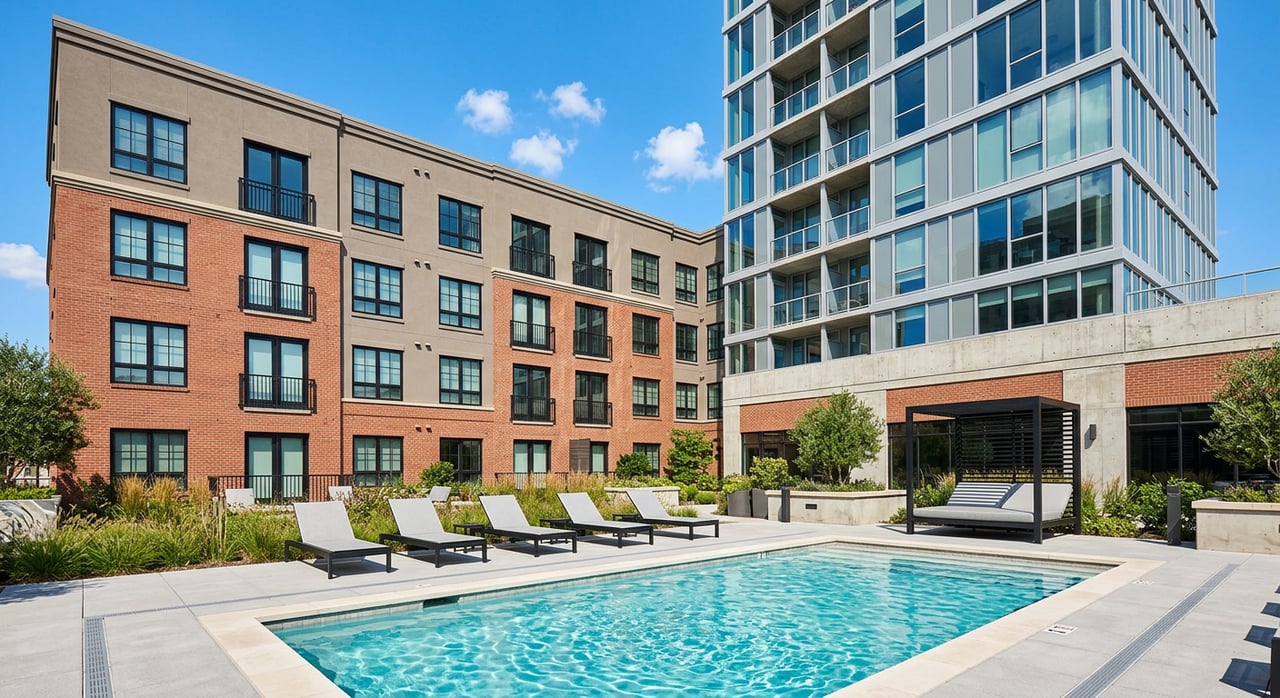
High-rise living near the Galleria often includes 24-hour concierge, valet, staffed lobbies, and larger amenity packages like fitness centers, rooftop areas, and business lounges. These features support a true lock-and-leave lifestyle, where services can handle deliveries and day-to-day building operations while you travel. Mid-rise or boutique buildings tend to offer controlled access, a smaller gym or pool, and on-site management with fewer staffed services. The tradeoff is simpler operations and, often, lower monthly dues.
Privacy, elevator flow and logistics
- High-rise: Elevated views and separation from street noise with more elevator use and busier common areas. Plan for elevator reservations for moves and deliveries.
- Mid-rise: Fewer neighbors per elevator bank, shorter wait times, and easier guest access. Some mid-rise communities make parking and quick in-and-out trips simpler.
Parking and access
High-rise units frequently include deeded or private garage spaces, plus valet in many luxury towers. Mid-rise buildings more often use assigned covered or garage parking. Titles, tandem arrangements, and extra spaces vary by building, so confirm exactly what conveys with your unit and whether additional spaces are available to buy or lease.
HOA dues and what they cover
Monthly HOA dues reflect the building’s service level. In the Galleria area, local listings show a wide spread, from the low $400s per month in simpler mid-rises to well over $1,600 per month in larger or more staff-intensive buildings. High-rise operating costs are higher because of complex systems and staffing. For example, elevator service is a material line item, and maintenance contracts can run from hundreds to over a thousand dollars per elevator per month depending on type and scope. Learn more about elevator maintenance costs.
What dues commonly include: the building’s master insurance policy, common-area utilities, staff, amenity upkeep, reserve contributions, water, trash, and sometimes cable or internet. Always check the resale certificate and building budget for exact inclusions.
Safety, insurance and flood checks
Flood risk in Houston is address-specific. Before you buy, review the FEMA Flood Map Service for the property’s specific location, ask for any elevation certificates, and request the association’s insurance certificate. Check a property’s flood map. Texas condominium associations must carry certain master policy coverages under the state’s property code, and your personal HO-6 policy usually covers interior finishes and personal property unless the master policy extends to those items. See Texas Property Code Chapter 82.
Financing and resale factors
Lenders look at the building as closely as they look at you. Strong reserve funding and clean financials help with project eligibility for conventional loans. Fannie Mae’s project review process considers reserve allocations, delinquency rates, commercial-space mix, and outstanding repairs when determining eligibility. Many projects need a budget that shows ongoing reserve contributions, and a current reserve study strengthens the file. Review Fannie Mae’s project review overview and a practical explainer on why reserves matter. Read the reserve funding guide.
Using FHA financing? FHA maintains a public lookup to confirm whether a condo project is approved. If a building is not approved, you will need a different loan program or the association will need to pursue approval. Check FHA condo approval status.
On the resale side, full-service high-rise towers continue to attract buyers who want premium services and turnkey living in Uptown. Local reporting shows ongoing activity at the top of the condo market, which is useful context for positioning a luxury listing or buying into a prestige address. See recent luxury condo market coverage.
Quick decision guide
Prefer a high-rise if you:
- Want 24/7 concierge or valet, larger amenity suites, and skyline views.
- Travel often and value staff handling deliveries and building logistics.
- Are comfortable with higher HOA dues that reflect staffing and complex systems.
Prefer a mid-rise if you:
- Want lower monthly dues and simpler building operations.
- Prefer easier parking, quicker elevator access, and fewer neighbors per floor.
- Still want walkable access to Post Oak and Galleria retail but with a quieter feel.
Due-diligence checklist before you offer
Request these items early so you can make a confident decision and keep financing on track:
- Declaration, bylaws, and house rules. Confirm pet, rental, parking, and renovation rules.
- Resale certificate, current budget, and reserve balance. Ask for the latest reserve study. Why reserves matter.
- Master insurance certificate and summary of coverages, plus any recent claim info. Review coverage boundaries under Texas law. Texas Property Code Chapter 82.
- Board meeting minutes for the past 12 to 24 months. Look for upcoming capital projects, litigation, or assessment discussions.
- Special assessment history and current delinquency rate. These can affect loan eligibility. See Fannie Mae’s review focus.
- Parking details. Verify whether spaces are deeded, assigned, tandem, or valet, and whether extra spaces are available to buy or lease.
- Move-in and elevator reservation policies. Important if you plan renovations or expect frequent deliveries.
- Evidence of recent major repairs or inspections for elevators, façade, balconies, and windows.
- FHA status if needed. Check FHA condo lookup.
What to budget each month
Build a simple ownership budget so there are no surprises:
- Mortgage, taxes, and HO-6 insurance for your condo interior and personal property.
- HOA dues that reflect the building’s staff, amenities, insurance, and reserves.
- Utilities not covered by the HOA budget, such as electricity or internet if not included.
- Parking-related costs if you plan to purchase or rent an additional space.
- A reserve for occasional HOA special assessments, especially in older or highly complex buildings.
Next steps
Your ideal condo in 77056 should match how you live, how often you travel, and how much service you want. If you work from a simple checklist, confirm the project’s financial health, and choose the service level that fits your lifestyle, you can enjoy Galleria living with confidence. Ready to compare specific buildings and run the numbers on dues, insurance, and financing in today’s market? Connect with Anisa Hoxha Realty Group for clear guidance, local comps, and a smooth, lock-and-leave purchase.
FAQs
What is the main difference between high-rise and mid-rise condos near The Galleria?
- High-rise towers tend to be taller with 24/7 services and larger amenities, while mid-rises are shorter with simpler operations and usually lower monthly dues.
How much are typical condo HOA dues in 77056?
- Dues vary widely by building and unit size, often from the low $400s per month in simpler mid-rises to more than $1,600 in full-service or larger units, based on recent local listings.
Do HOA dues usually include insurance?
- Most associations carry a master policy for common elements, but you still need an HO-6 policy for interior finishes and personal property under Texas law. Review Texas Property Code Chapter 82.
Can I use FHA financing for a condo in 77056?
- Possibly, but only if the specific condo project is FHA-approved; check the building’s status on HUD’s official lookup. Search the FHA condo list.
How do I check flood risk for a Galleria-area condo?
- Look up the exact address on FEMA’s Flood Map Service and ask the association for elevation certificates and insurance details. Check FEMA flood maps.
Why do lenders care about a building’s reserves?
- Adequate reserve funding supports future repairs, reduces special assessments, and helps the project meet Fannie Mae review standards that affect loan eligibility. See Fannie Mae’s review overview.