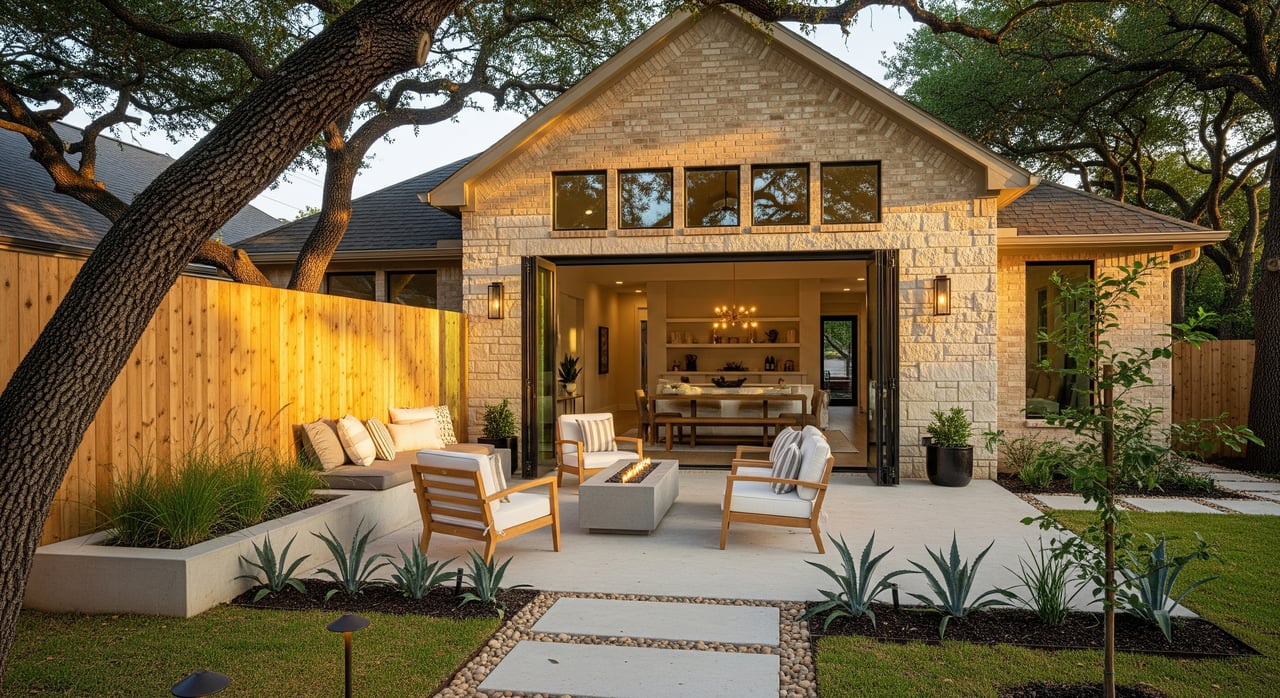
Shopping homes in Spring Branch and keep seeing “patio home” in the listing? You are not alone. The term is common in Houston, and it can describe different setups depending on the property. In this guide, you will learn what “patio home” means locally, how it differs from townhomes and traditional single-family houses, and what to review before you buy. Let’s dive in.
Patio home meaning in Spring Branch
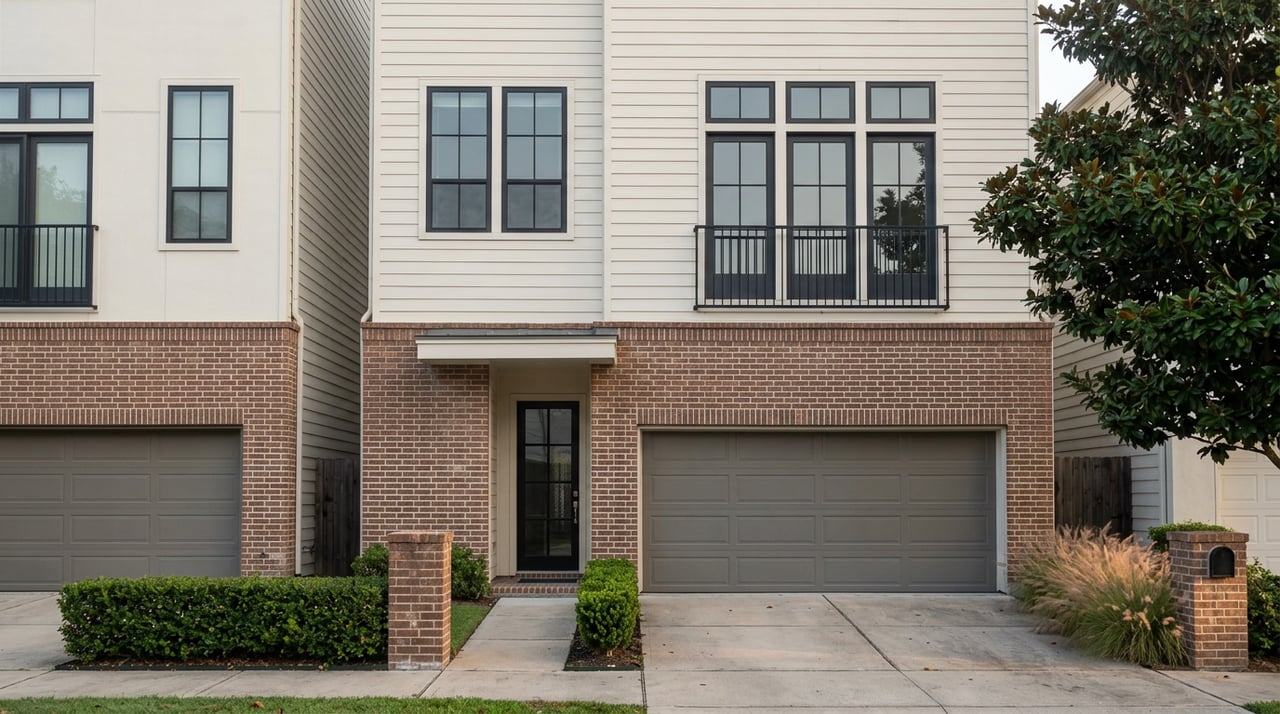
In Spring Branch, a patio home usually means a low-maintenance house with a smaller private outdoor area focused on a patio or courtyard rather than a large yard. Many are detached and sit on smaller lots, sometimes very close to the side property line. Some are semi-detached pairs designed to feel like single-family homes.
The term is a marketing label, not a legal category. The real details are in the recorded plat, deed, and any homeowners association documents. Always verify ownership type and maintenance obligations before you make an offer.
Typical features and layouts
Lot size and placement
Patio homes in the Houston area often sit on smaller lots, commonly around 1,500 to 5,000 square feet, though this varies by builder and era. Many are zero-lot-line, which means a wall can be built on or near a side property line. That design maximizes interior space but may require side-yard access easements for maintenance.
Setbacks and lot coverage depend on whether the home is inside Houston city limits or in unincorporated Harris County. Confirm the specific jurisdiction to understand permitting rules and past approvals.
Detached or attached walls
Most patio homes are detached, which improves privacy compared with attached townhomes. Some communities include semi-detached homes or small clusters. The key expectation is a private patio or small yard, not long shared walls.
Size and floor plans
Interior sizes range from smaller footprints around 800 to 1,200 square feet to more moderate 1,200 to 2,200-plus square feet. Many newer builds target an easy-living layout with open common spaces and an owner’s suite on the main level. Garages are typically one or two car, often with short driveways.
Finishes and build eras
- Older patio homes from the 1980s to early 2000s often have finishes from that era, sometimes updated over time.
- Newer infill homes from the 2010s and 2020s tend to feature modern materials like engineered hardwoods or large-format tile, quartz or granite counters, and open kitchens with stainless appliances.
Condition varies by property. Many older homes in Spring Branch have been renovated, so focus on recent upgrades, mechanical systems, and quality of work.
Ownership, HOA, taxes, and insurance
Fee-simple vs condominium
- Fee-simple ownership is common for patio homes. You own the house and the land, subject to deed restrictions.
- Condominium regimes are less common but do exist. You own the interior of the unit, and the association owns and maintains common elements, which can include exteriors.
Ownership type affects your responsibilities, your insurance coverage, and how taxes are assessed. Confirm ownership on the deed and recorded documents.
What HOAs often cover
Many patio-home communities are governed by a mandatory HOA. Coverage varies, so read the CC&Rs and budget carefully. Typical items may include:
- Common-area landscaping, gate upkeep, and lighting
- Limited exterior maintenance in some communities
- Trash service or pest-control contracts in certain developments
Do not assume the HOA covers the roof, exterior paint, fences, or lawn. Ask for a written breakdown and review assessment history and reserves.
Taxes and insurance basics
- Property taxes are assessed by the county based on land and improvements. Smaller lots can reduce the land portion, but location and the home’s features influence the final tax bill.
- Insurance depends on ownership type. Fee-simple owners usually carry a policy that covers the dwelling and personal property. Condo owners often carry an interior policy, while the association’s master policy may cover exterior structures.
- Flood coverage is a separate policy. Lenders will require it for properties in mapped flood zones, and it can be wise even when a home is outside a designated floodplain.
Patio homes vs townhomes vs single-family
Ownership and legal structure
- Patio home: Usually fee-simple, often in an HOA. Detached or semi-detached with a small private outdoor space.
- Townhome: Often attached units with shared walls. Ownership can be fee-simple or condominium, and there is usually an HOA.
- Single-family detached: Larger lots and full control over the home and land. May or may not be in an HOA.
Privacy and noise
- Patio home: If detached, typically better privacy than attached townhomes. Outdoor space is modest.
- Townhome: Shared walls can increase noise transfer.
- Single-family: Generally the most privacy and separation.
Outdoor space and maintenance
- Patio home: Emphasizes a small patio or courtyard and low-maintenance living.
- Townhome: Often limited private outdoor space, sometimes just a small patio or deck.
- Single-family: Larger yards with more room to garden or expand, with more upkeep.
Cost and resale considerations
Patio homes can be priced below larger single-family homes in the same area due to smaller lots. They often command strong interest in Spring Branch because of location and low-maintenance living. Resale appeal is strong with buyers seeking convenience and updated finishes.
Spring Branch buyer tips and risks
Jurisdiction and permitting
Spring Branch includes areas inside Houston city limits and pockets in unincorporated Harris County. Rules for permitting, inspections, and code enforcement differ. Confirm where the property sits to understand how changes or repairs should be handled.
Flooding and drainage
Spring Branch includes areas with street or localized flooding, and some tracts lie within FEMA floodplains. You should:
- Check current flood maps for the specific address.
- Ask for seller disclosures on past flooding and drainage improvements.
- Consider an elevation certificate and get flood insurance quotes early in your option period.
Infill redevelopment and easements
The area has seen active infill development. Larger lots are sometimes subdivided to create new patio-home-style homes. That can mean complex lot lines and easements. Review the plat, survey, and any shared driveway or side-yard maintenance easements closely.
Local demand snapshot
Low-maintenance homes remain attractive in Spring Branch for buyers who want central access and fewer exterior chores. For current price trends and absorption, review recent local comps with your agent.
What to review before you buy
Documents checklist
- Recorded plat and deed
- Recent survey showing structures, easements, and encroachments
- HOA CC&Rs, bylaws, budget, reserves, meeting minutes, and assessment history
- Seller’s property disclosure
- Title commitment and recorded restrictions
- Flood disclosures and any elevation certificate
- Recent utility bills and tax bills
Inspections to order
- General home inspection that covers structure, roof, and major systems
- Termite and wood-destroying insect inspection
- Drainage and grading assessment if water entry is a concern
- Survey review to confirm boundaries and any zero-lot-line elements
Questions for the HOA or seller
- Who maintains the roof, exterior paint, fencing, and driveways?
- What services are included in the dues?
- Are there rental or pet restrictions?
- Are there current or planned special assessments? What is the reserve balance?
- Has the property ever flooded, and were any mitigation steps taken?
Next steps
If you want a low-maintenance lifestyle with a private outdoor space, a patio home in Spring Branch can be a smart fit. The key is to confirm how the property is legally set up, what the HOA actually covers, and how flood risk and insurance affect your budget. A focused review of documents, inspections, and comps will help you buy with confidence.
Have questions or want to tour patio homes now on the market? Connect with the neighborhood-driven team at Anisa Hoxha Realty Group for clear guidance and a data-backed plan.
FAQs
What is a patio home in Spring Branch?
- A patio home is typically a low-maintenance, often detached home on a smaller lot that prioritizes a private patio or courtyard; the exact legal setup depends on the deed and HOA documents.
How is a patio home different from a townhome?
- Patio homes are often detached with more privacy and a small yard, while townhomes usually share walls; both may have HOAs, but responsibilities vary by community.
Does a patio home include yard or exterior maintenance?
- Not always; some HOAs cover landscaping or limited exterior items, but you should confirm in writing what the HOA maintains versus what the owner must handle.
Do Spring Branch patio homes require flood insurance?
- Lenders require flood insurance if the home is in a mapped flood zone; even outside those zones, many buyers obtain coverage after reviewing local drainage history and maps.
What inspections should I get for a patio home in Houston?
- Order a general home inspection, a termite inspection, and consider a drainage evaluation; always review the survey for lot lines and any zero-lot-line easements.
Is a patio home a condo or fee-simple property?
- It can be either; many patio homes are fee-simple, but some are in condominium regimes; check the recorded documents to verify ownership and insurance requirements.
Are patio homes good for investors in Spring Branch?
- They can be, especially if low exterior maintenance and strong location drive demand; verify any HOA rental rules and review recent local comps before purchasing.