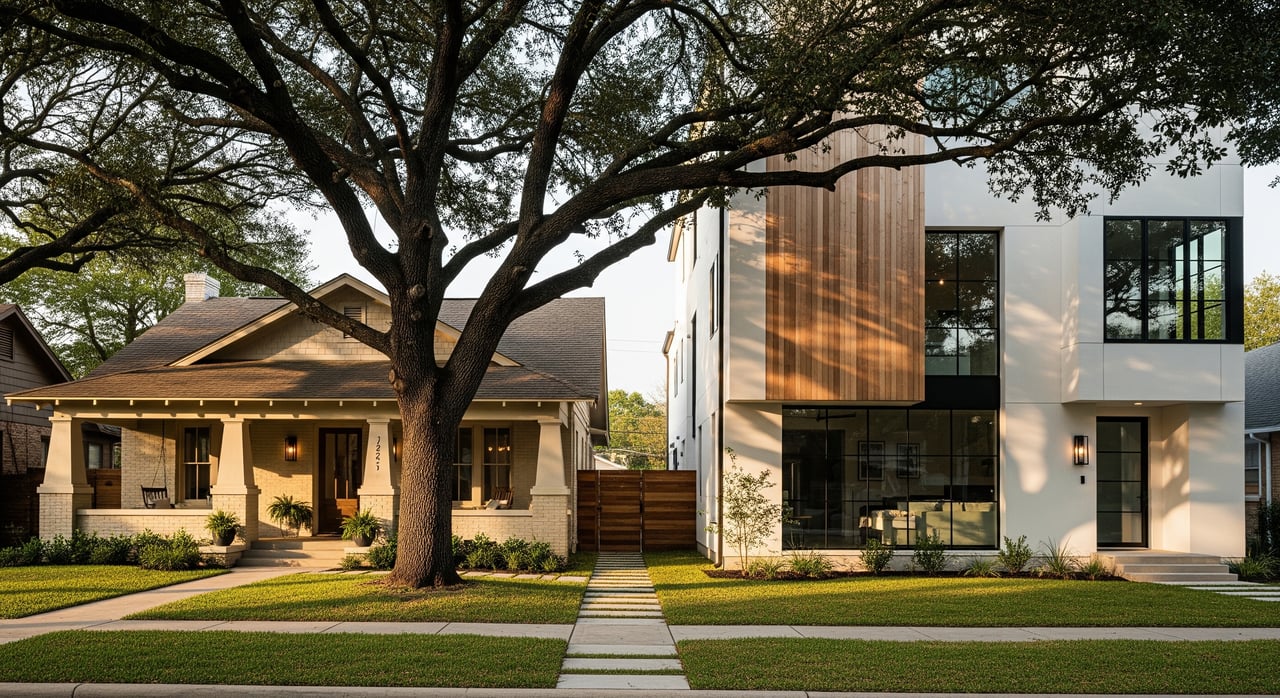
Torn between the charm of an original Oak Forest cottage and the ease of a turnkey new build? You are not alone. Oak Forest attracts buyers who love its tree canopy, central Houston location, and mix of classic homes and modern construction. This guide gives you a clear comparison of lifestyle, cost, risk, and resale so you can pick the path that fits your goals. Let’s dive in.
Oak Forest at a glance
Oak Forest is one of Houston’s established neighborhoods with mid‑century bungalows and cottages on generous lots. In recent years, infill construction and tear‑downs have added many new homes while keeping the area’s residential character. You will find pockets with sidewalks, mature trees, and access to central and northwest job centers.
School assignments vary by address, so verify the current attendance zones for any property you consider. Inventory is a blend of original homes and new builds, and lot availability is finite, which is why additions and replacements are common.
New builds vs original homes: what changes most
Space and layout
Original cottages are usually one story with compact rooms and more traditional living and dining areas. Kitchens and bathrooms tend to be smaller by today’s standards. Many have hardwood floors and period details that give a sense of place.
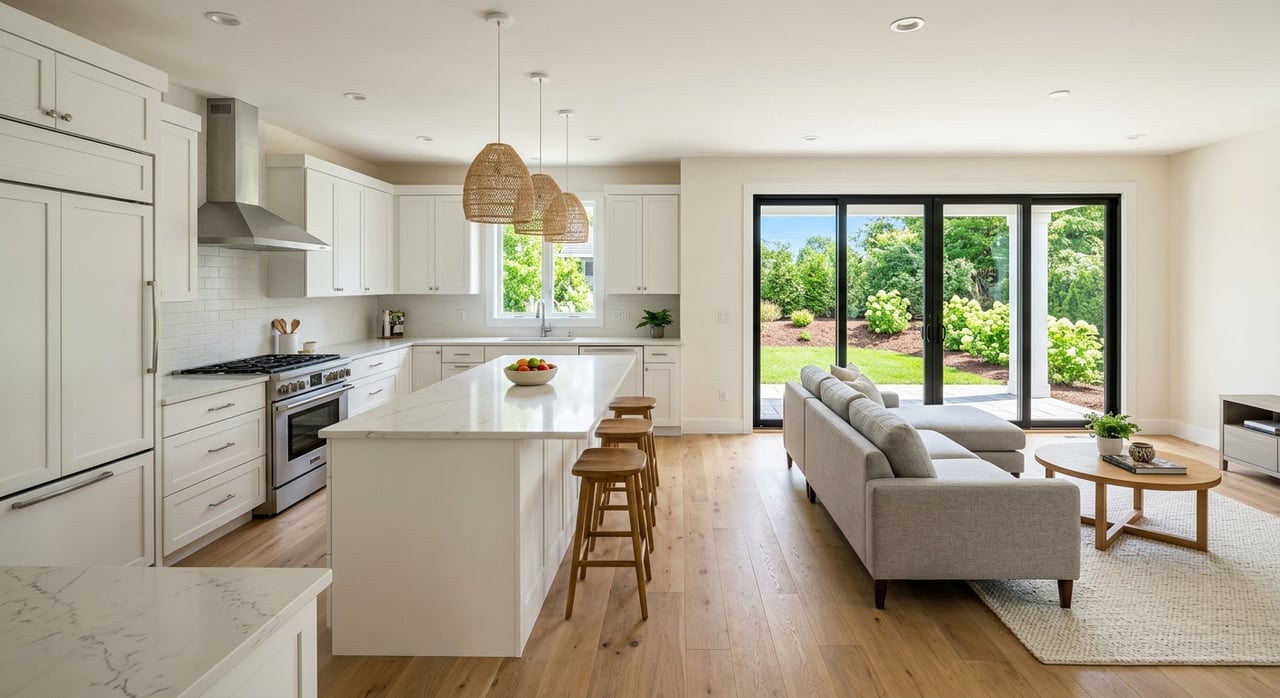
New builds typically offer open‑plan living, larger primary suites, more bathrooms, and attached garages. You also get modern insulation, HVAC, and electrical systems that reduce near‑term maintenance and can improve comfort.
Lot and yard
Older homes often sit on deeper or wider lots compared with some inner‑loop neighborhoods. The footprint of an original cottage can leave a larger private yard and room for detached structures if permitted. New construction can keep a similar footprint or expand it, which may reduce yard size or shift how outdoor space is used.
Systems and efficiency
Original homes can include older plumbing, electrical, or HVAC that need upgrades over time. Some may include legacy materials that require professional handling during renovations. New builds meet current code, which can mean better insulation, efficient HVAC, and updated electrical service. That lowers the likelihood of large system expenses early in ownership.
Style and curb appeal
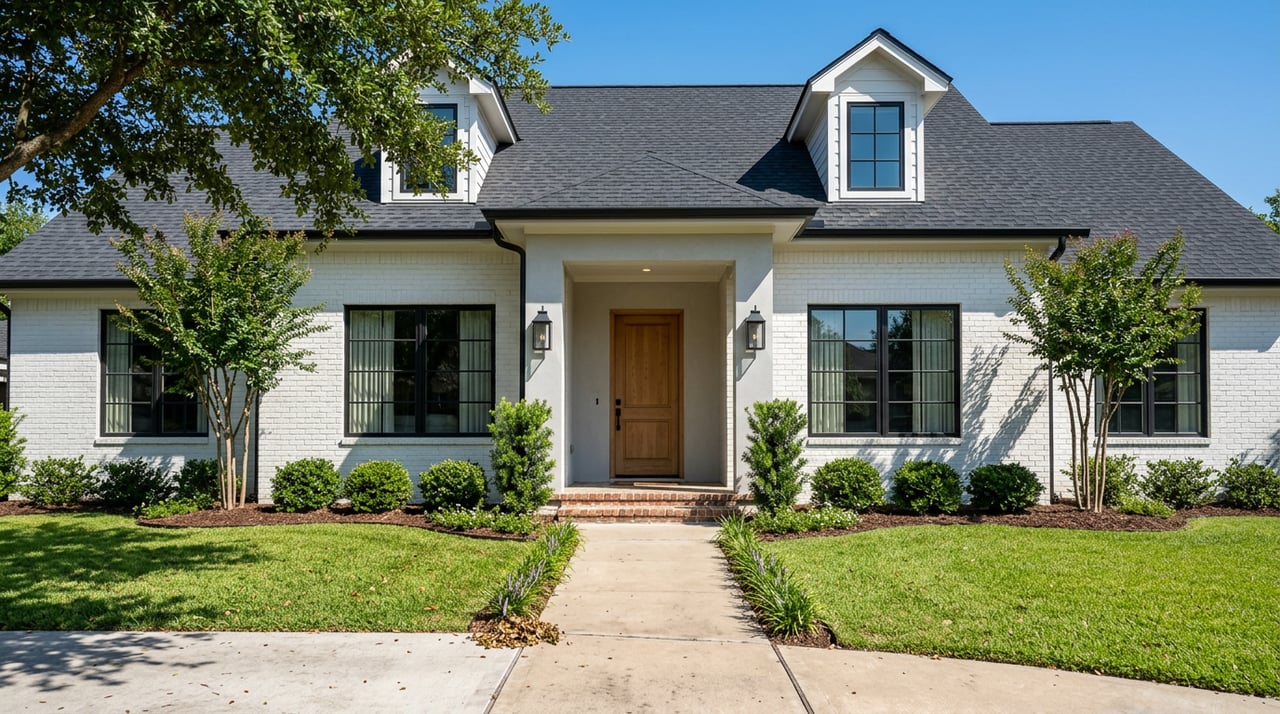
Original cottages bring character details and mature landscaping that buyers love. New homes can deliver clean finishes and current design trends. On streets with many recent builds by the same builders, exterior variety can be limited, so consider how design fits the block.
Cost factors to weigh
Purchase price and premiums
In many comparable Houston neighborhoods, new construction trades at a premium over untouched originals. The premium reflects modern floorplans, new systems, and finishes. Actual price gaps change with market conditions, so you will want current comps from the last 6 to 12 months to size the difference for Oak Forest.
Renovation path and scope
If you buy an original cottage, your budget should match your plan:
- Cosmetic refresh. Paint, floors, lighting, and partial kitchen or bath updates can make a quick impact.
- Mid‑range remodel. Rework the kitchen and one or two baths and update select systems for better function and resale value.
- Full renovation or tear‑down. A complete structural overhaul or a new build requires capital, permitting, and longer timelines. Include demolition, utilities, foundation, and landscaping in your plan.
For investors, calculate your total cost basis. Add purchase price, renovation and holding costs, financing, and sale costs to estimate after‑repair value and profit. Permitting timelines and contractor availability affect holding time.
Taxes, insurance, and utilities
Property taxes in Harris County reflect appraised value and local rates. A new build can trigger a higher appraisal when completed, which increases annual taxes. Homeowners insurance may be lower for newer homes due to structural risk, but flood insurance is location specific. Check FEMA flood maps and local flood control resources to understand risk for each lot. Newer construction often yields better energy efficiency that can help with utility costs, although usage varies by household.
Resale and liquidity
Many move‑up buyers value modern layouts and finishes, which can support faster resale for newer homes. Well‑executed renovations of original cottages also perform well, especially when they add bedrooms or baths and update kitchens. Be mindful of overbuilding. An oversized, high‑end new build on a street of smaller originals may face a narrower buyer pool and longer time on market.
Houston rules and risks to understand
No traditional zoning
Houston does not use traditional citywide zoning. What you can build depends on city codes, recorded deed restrictions, and any neighborhood overlays. Before you buy, review deed restrictions and any civic club guidance to confirm what is allowed on the lot.
Permits and tear‑down process
New construction in Houston requires building, electrical, plumbing, and other permits, with inspections at each stage. Demolition has its own permits and debris rules. If you plan a tear‑down or major addition, include permit timelines and fees in your schedule and holding costs.
Floodplain and drainage
Oak Forest includes areas with different flood risks. Use FEMA Flood Insurance Rate Maps and Harris County Flood Control District information to check the flood zone for a specific property. Even outside high‑risk zones, localized street flooding can occur during heavy storms. Ask about documented flood history for the home and surrounding block.
Trees, neighbors, and infrastructure
Mature trees are part of Oak Forest’s identity. Some projects require tree preservation or removal permits, and large builds can raise concerns about scale, privacy, and drainage. Reviewing civic club notes and meeting neighbors can help you understand expectations for the block.
Utilities and capacity
Larger rebuilds may need upgrades to electrical service or connections to water, sewer, and storm drainage. Confirm capacity and costs before you finalize scope.
Which path fits your goal
Move‑up buyers
If you want convenience, energy efficiency, and extra bathrooms or a home office, a new build or fully remodeled home can be a strong fit. If you value larger yard space, single‑story living, or period details, a renovated cottage may deliver the best lifestyle.
Checklist for move‑up buyers:
- Define bedrooms, baths, office, and garage needs for the next 5 to 10 years.
- Confirm commute, nearby services, and current school assignments by address.
- Ask about builder warranties and what finishes or allowances are included.
- If choosing new construction, plan for landscaping time to mature.
Investors
Original cottages often provide value‑add potential through renovation or rebuild. Some investors prefer turnkey new construction rentals for lower near‑term maintenance and vacancy risk.
Checklist for investors:
- Run a full pro forma: acquisition, renovation, holding, financing, and sale or rental costs.
- Inspect foundation, plumbing, electrical, roof, and HVAC closely to avoid surprises.
- Verify permitting requirements and likely timeline for your scope of work.
- Compare finished square footage and price per square foot to nearby comps to avoid overbuilding.
Live‑in renovators
Phased renovation can spread costs. Start with structural and systems upgrades before cosmetic work. Ensure you can safely live through the process, and line up contractors early to avoid delays.
On‑the‑ground comparison checklist
If you lean original cottage
- Roof age, HVAC age, water heater age, and plumbing type.
- Electrical service size, panel age, and visible wiring condition.
- Foundation type, signs of settlement, and any prior repair history.
- Presence of moisture, mold, pests, or other deferred maintenance.
- Original features to preserve, such as hardwoods or built‑ins.
- Deed restrictions, easements, and any civic club rules.
- Flood zone designation and any drainage history for the home and street.
If you lean new build
- Builder portfolio, references, and warranty terms for structural and systems.
- Exact finish scope and allowances, including appliances and landscaping.
- Energy‑efficiency details such as insulation, window specs, and HVAC ratings.
- Setbacks, driveway placement, and effects on privacy and drainage.
- Permit status, inspections, and certificate of occupancy timing.
Shared due diligence for both
- Recent comparable sales within Oak Forest from the last 3 to 6 months, adjusted for lot size and condition.
- HCAD property records for lot size, improvements, and tax history.
- Utility bill history from the seller if available to estimate operating costs.
- Any planned city or county projects that could affect access, drainage, or noise.
A quick decision flow
- Clarify must‑haves. Bedrooms, baths, office, yard, garage, and timing.
- Choose lot‑first or house‑first. If yard and expansion potential drive your decision, focus on lot and restrictions first.
- Price the entire plan. Compare the new‑build premium to the total of purchase price plus renovation and holding costs for an original.
- Confirm risk early. Check flood maps, deed restrictions, and permitting steps before you write an offer.
- Use the right comps. Look at closed sales in the last 6 to 12 months on nearby blocks.
- Protect your downside. Leverage inspections, option periods, and builder warranties where available.
- Partner with local expertise. A team that knows Oak Forest can help you avoid overbuilding and negotiate the right terms.
How we help in Oak Forest
You deserve a calm, data‑backed process from the first tour to closing. Our team leverages MLS and HAR tools for real‑time comps, HCAD records for lot and tax verification, and a disciplined negotiation approach that protects your money and time. Whether you want a turnkey new build, a character‑rich renovation, or an investment with clear upside, we guide you through due diligence, builder vetting, and contract strategy so you can buy with confidence.
Ready to explore options on both sides of the street? Connect with the Anisa Hoxha Realty Group to get a tailored Oak Forest plan and a clear path to your next home.
FAQs
What are the key differences between new builds and originals in Oak Forest?
- New builds usually offer open layouts, more baths, modern systems, and lower near‑term maintenance, while original cottages offer character, potential for larger yards, and value‑add renovation opportunities.
How do I check flood risk for an Oak Forest property?
- Review FEMA flood maps and Harris County Flood Control resources for the parcel, ask for any documented flood history, and include flood insurance and drainage assessments in your due diligence.
Do new builds mean higher property taxes in Harris County?
- Often yes, because a completed new build can increase the appraised value that taxes are based on, so budget for a higher tax bill compared with an older home at a lower valuation.
How long does a tear‑down to new‑build project take in Houston?
- Timelines vary by scope and permitting, ranging from several months to over a year in some cases, so confirm with your builder and the City of Houston permitting process before you set expectations.
What should investors prioritize in an original Oak Forest cottage?
- Focus on buy price versus after‑repair value, accurate renovation and holding costs, structural and systems condition, permitting timeline, and nearby comps to avoid overbuilding on the block.