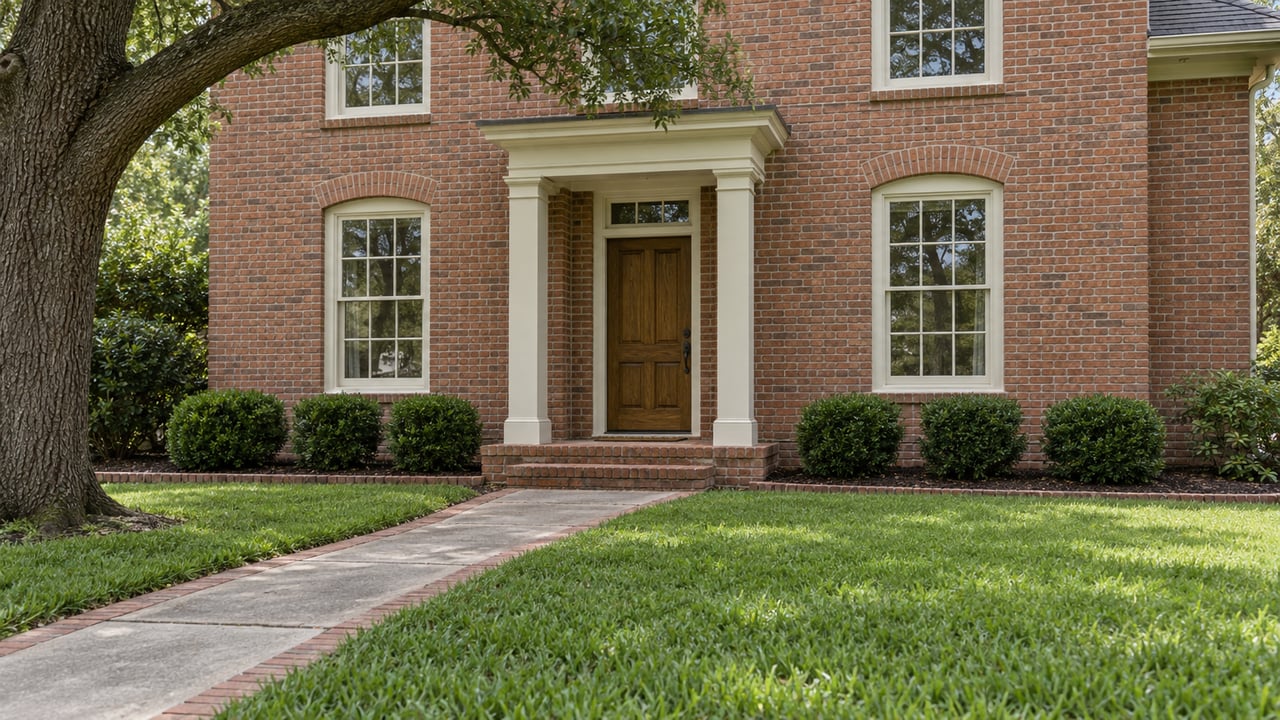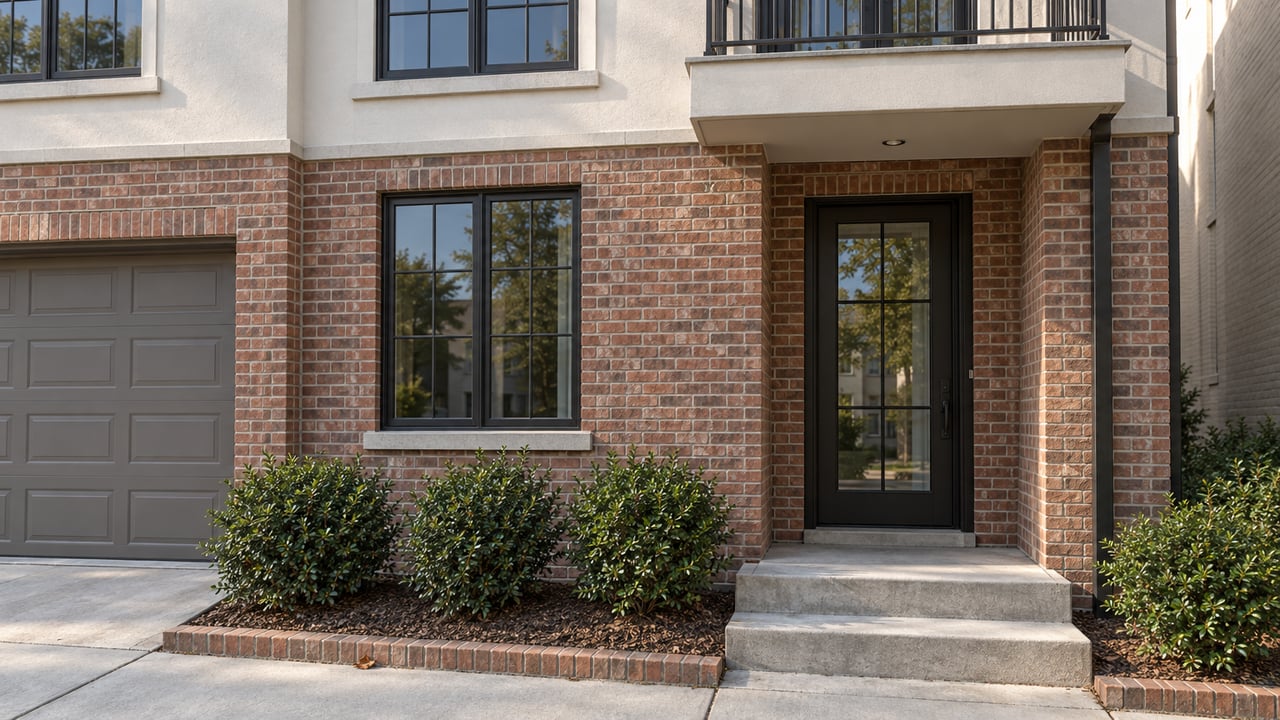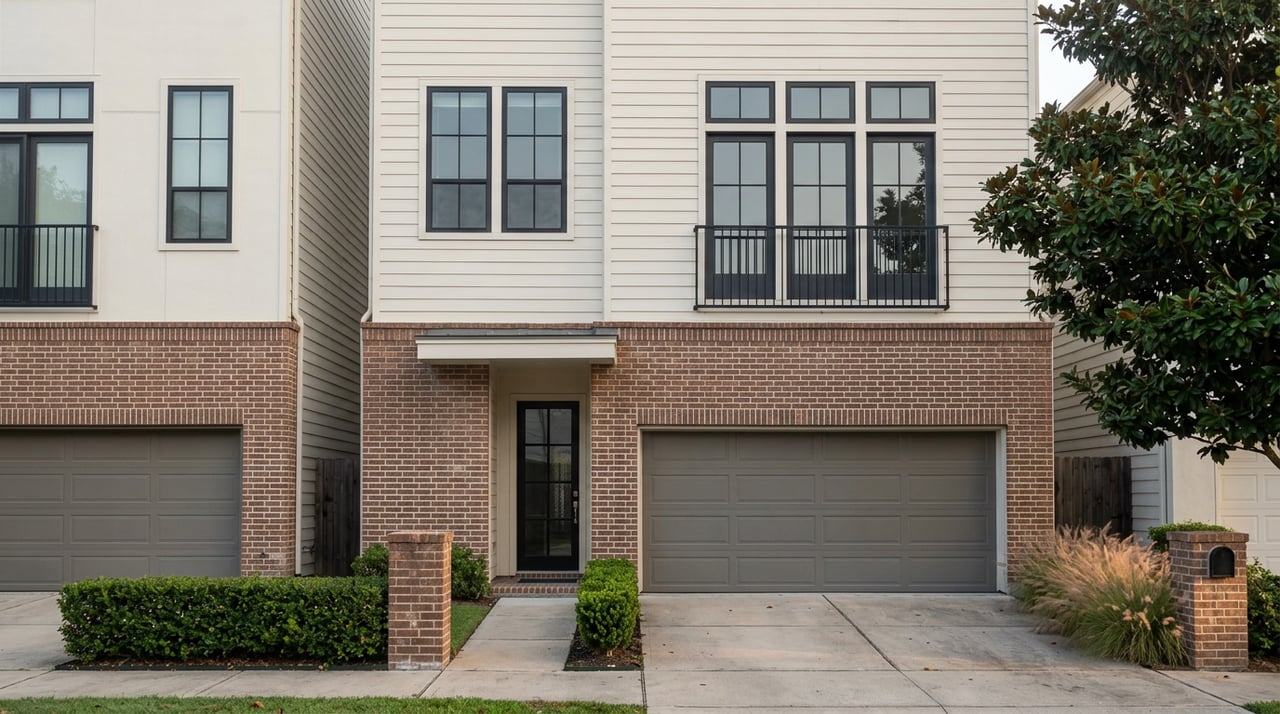
Thinking about buying a lot in Oak Forest to tear down and rebuild? In this Central Northwest Houston pocket, mature trees, easements, drainage patterns, and floodplain rules can change your plans and your budget fast. You want to move quickly on a good lot, but you also want to protect your earnest money and timeline. This guide walks you through a step‑by‑step checklist tailored to Oak Forest so you can vet a property with confidence and avoid costly surprises. Let’s dive in.
Quick due diligence roadmap
Before earnest money goes hard, confirm the essentials in a tight sequence. Use this as your working order:
- Order a current boundary and topographic survey with tree data (1–3 weeks).
- Pull a title commitment and recorded plats; request an easement map from the title company (1–2 weeks).
- Check FEMA/HCFCD flood maps and ask neighbors about localized flooding (days).
- Schedule geotechnical borings and an asbestos inspection for demo planning (scheduling varies).
- Contact CenterPoint and Houston Public Works about taps, meters, and service (start early).
- Engage a civil engineer for a drainage concept and to confirm if a formal drainage plan is required (start immediately).
- Review any deed restrictions or civic rules that could limit height, materials, or tree removal (concurrent).
- Build contract contingencies tied to the deliverables and realistic vendor timelines.
Surveys and title: Define your buildable area
Your survey set anchors everything from setbacks to drainage design.
- What to order: a current boundary survey and a site/topographic survey showing spot elevations, existing structures, driveways, curb invert, visible utilities, and trees. An ALTA/NSPS or enhanced boundary survey may be needed if a lender requires more detail.
- Why it matters: The survey defines your buildable envelope, locates easements, and flags encroachments or fences in the wrong spot.
- Title review: Ask your title agent for the commitment and a visual easement map. Pay attention to utility easements, building lines, and any restrictive covenants.
- Where to verify: Use the Harris County Appraisal District for parcel data and property characteristics when cross‑checking records. You can search the HCAD parcel database to confirm the legal description and lot details.
Flood, elevation, and drainage
Flood risk and drainage rules in Houston can drive finished floor elevation, foundation type, and costs. Do this early.
- Flood zone lookup: Use the FEMA Map Service Center to see whether the lot sits in a Special Flood Hazard Area and to review Base Flood Elevation. Then check the Harris County Flood Control District map resources for local context.
- History check: Ask neighbors about street or yard ponding, and look for city-reported incidents where available. A site walk after rain is helpful.
- LOMA/LOMR: If the lot appears mis‑mapped or you have new elevation data, your engineer can advise whether a Letter of Map Amendment or Revision is feasible. These submittals can take weeks to months, so start early if needed.
Drainage design and submittals
A civil engineer should review existing drainage patterns and propose a preliminary concept before you finalize design.
- Requirements: Confirm current lot drainage rules, discharge points, and overland flow paths with Houston Public Works. Many new builds require drainage review as part of permitting.
- Why it’s critical: New construction cannot worsen downstream flooding or cause ponding on neighboring lots. Your engineer may recommend regrading, curb tie‑ins, or onsite detention depending on context.
Trees and vegetation: Plan around the canopy
Oak Forest lives up to its name. Mature oaks and other canopy trees can influence where you place the house, driveway, and utilities.
- Inventory: Hire a certified arborist to identify species, trunk diameters (DBH), critical root zones, and overall health. Add tree locations to the topo survey.
- Rules to confirm: Some plats, covenants, or neighborhood guidelines may require preservation or mitigation. City requirements vary by context, so verify any tree removal or mitigation needs with the Houston Permitting Center.
- Design impacts: Large root zones can affect foundation design, utility routes, and grading. Early planning usually saves money and avoids permit delays.
Utilities: Availability, capacity, and relocations
Utilities can create hidden costs if taps are missing, lines are undersized, or service needs relocation.
- Locate first: Always call Texas 811 before any digging to mark existing utilities.
- Power and gas: Confirm service configuration, meter locations, and any needed relocations with CenterPoint Energy.
- Water and sewer: Contact Houston Public Works to verify tap size, location, and whether new taps or relocations are required.
- Telecom: Coordinate with local providers if lines or boxes need to move. Keep clearances in mind when placing driveways and fences.
Hazardous materials and demolition
If you are removing an older house, plan for regulated materials and proper permits.
- Asbestos: A pre‑demolition asbestos inspection is required under federal and state rules. Review guidance from the EPA on asbestos and NESHAP and contractor requirements from the Texas Commission on Environmental Quality.
- Lead‑based paint: Older homes may include regulated waste during demolition. Your demolition contractor should manage disposal per rules.
- Demo permit: Obtain your demolition permit through the Houston Permitting Center and schedule disconnects with utilities before demo begins.
Soils and foundation planning
Houston’s clay soils vary lot to lot. A geotechnical report protects you from mid‑project surprises.
- What to get: A soils investigation with borings and lab analysis to support foundation recommendations. Your structural engineer will use this to choose slab, piers, or pier‑and‑beam.
- Why it matters: Poor soils or deep fill can force design changes and add cost. Knowing early helps you bid foundations accurately.
- Extra context: You can review regional soils on the USDA NRCS Web Soil Survey, but rely on the site‑specific geotech for decisions.
Permits, inspections, and sequencing
New construction requires multiple permits and reviews. The order and completeness of your submittals affect your start date.
- Typical permits: demolition, building, electrical, plumbing, mechanical, driveway/curb cut, and any required drainage approvals. Begin at the Houston Permitting Center.
- Coordination points: Plan for utility disconnects and new service applications early. Some reviews run in parallel; others are sequential.
- Tip: Clean, complete plan sets reduce re‑review cycles and shorten your path to permit issuance.
Neighborhood and legal constraints
Private covenants and recorded restrictions can be as limiting as city rules.
- Deed restrictions: Many Oak Forest sections have recorded covenants that govern home size, height, or exterior materials. Confirm during title review.
- Setbacks and building lines: Compare the plat and recorded restrictions against your survey so the site plan fits the buildable envelope.
- Overlays: If any conservation or historic overlays apply, expect additional steps in design review.
Typical timelines in Houston
Actual times vary, but plan around these ranges:
- Boundary/topo survey: 1–3 weeks from order.
- Title commitment and exception review: 1–2 weeks after order.
- Geotechnical report: 1–3 weeks after drilling, plus scheduling time for borings.
- Asbestos inspection and report: 1–2 weeks to schedule; lab turnaround a few days.
- Drainage concept: 1–2 weeks for a preliminary concept; formal city cycles can run several weeks to months if corrections are needed.
- Permits: 2–8+ weeks based on plan completeness and workload; specialty reviews can extend this.
- Utility work: A few weeks for simple taps; months where transformer moves or main work are required.
- FEMA map changes (if pursued): Often 60–90+ days.
Common cost drivers to budget for
Prepare for line items that often move budgets:
- Demolition and asbestos abatement if materials are present.
- Tree removal, preservation measures, and mitigation plantings.
- Utility relocations or added easement work.
- Foundation changes after geotech results.
- Drainage corrections or onsite detention.
- Concealed conditions like undocumented fill or old structures.
Contract protections before earnest goes hard
Use contract language to protect your downside while you verify the site.
- Add contingencies for acceptable survey/topo results, title exceptions, geotechnical findings, floodplain position and feasibility of any needed LOMA/LOMR, asbestos inspection results, and utility availability.
- Tie contingency timelines to realistic vendor schedules, not just calendar dates.
- Include a site‑walk contingency so your builder and architect can inspect the lot with preliminary data in hand.
- Align change‑order procedures and pricing in your builder contract to handle concealed conditions.
Builder‑ready checklist for Oak Forest
Use this condensed list as your action tracker:
- Order boundary and topographic survey with tree locations.
- Pull title commitment and recorded plats; obtain easement map.
- Run FEMA and HCFCD flood checks; gather local flood history.
- Schedule geotechnical borings; plan foundation bid around results.
- Book asbestos inspection; outline demo scope and disposal.
- Confirm utility taps, meter sizes, and relocations with CenterPoint and Houston Public Works.
- Engage civil engineer for drainage concept; confirm if a formal plan is required.
- Review deed restrictions and any neighborhood guidelines.
- Build contingencies and milestone dates into your contract.
Ready to move forward?
If you’re weighing lots or want a second set of eyes on restrictions, utilities, and timelines, you can lean on a team that combines neighborhood knowledge with contract precision. Reach out to schedule a consult with Unknown Company and start your Oak Forest teardown the smart way.
FAQs
What surveys do I need for an Oak Forest teardown?
- A current boundary survey and a site/topographic survey with spot elevations, visible utilities, and tree locations. Consider an ALTA/NSPS survey if your lender requires added detail.
How do I check flood risk before I buy a lot?
- Look up the property on the FEMA Map Service Center and review local context on the Harris County Flood Control District site. Ask neighbors about recent ponding or street flooding.
Do I need a permit to remove trees in Houston?
- City rules vary by context, and some plats or covenants require preservation or mitigation. Verify current requirements with the Houston Permitting Center and consult a certified arborist.
Who do I call to mark utilities before demolition?
- Call Texas 811 before any digging so underground utilities can be located and marked. This helps you plan demo and new service work safely.
What permits are required to demolish a house in Houston?
- You need a demolition permit and utility disconnects, managed through the Houston Permitting Center. An asbestos inspection is required before demolition under EPA guidelines.
How long do Houston building permits usually take?
- Plan for 2–8+ weeks depending on plan completeness and review workload. Drainage or specialty reviews can extend timelines; starting early with complete submittals helps.